


For Australian bus and coach operators, CAN bus telematics turns raw vehicle network data into practical safety and maintenance decisions. This guide explains the fundamentals in plain language, then maps them to real fleet workflows so teams can deploy with fewer integration risks and better compliance visibility.
What CAN Bus Means in Fleet Operations
CAN bus (Controller Area Network) is the in-vehicle communication network that lets electronic modules share data without point-to-point wiring between every component. In a bus or coach, this usually includes the engine ECU, transmission controller, brake system, body control modules, door systems, and other subsystems that need fast, reliable signal exchange.

For fleet teams, CAN bus matters because it is where high-value operational signals live. GPS tells you where a vehicle is. CAN data helps explain what the vehicle is doing at that location: engine load, RPM trends, brake activity, warning states, and other telemetry that supports safety and maintenance decisions.
When implementation is engineered carefully, CAN bus telematics supports better evidence for maintenance workflows, driver coaching, and safety programme oversight. This is especially important in Australian passenger transport where mixed-age fleets and route variability create practical complexity.
How CAN Bus Works: Nodes, Messages, and ECU Communication
At a practical level, CAN bus works as a shared message network:
- Nodes: Electronic control units (ECUs) connected to the same bus.
- Messages: Data frames broadcast with identifiers that indicate priority and purpose.
- Arbitration: If multiple ECUs transmit at once, CAN resolves priority so critical messages are not delayed.
- Error handling: Built-in mechanisms detect and isolate faulty communication behaviour.
Heavy vehicles commonly use SAE J1939 as a higher-layer protocol on top of CAN. J1939 defines parameter groups and signal conventions used in trucks and buses, which is why most telematics integrations for commercial fleets start with robust J1939 mapping and validation.
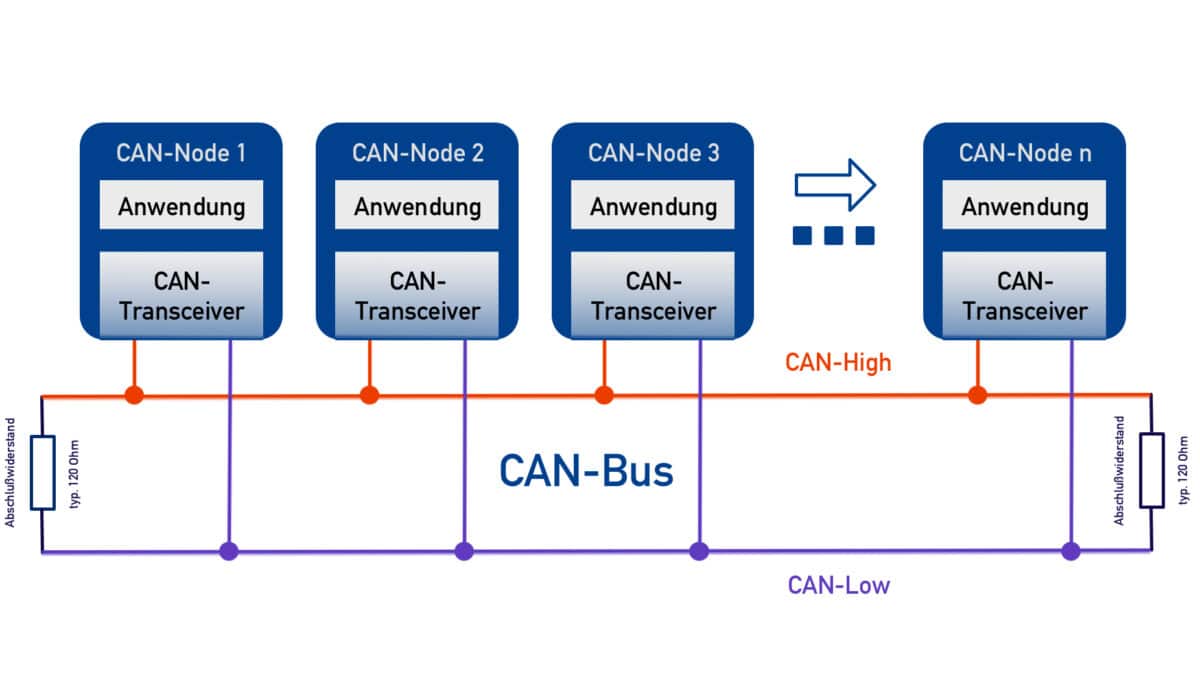
Telematics hardware reads, decodes and structures data circulating on the vehicle network, then sends it to fleet platforms for reporting and alerting.
CAN Bus vs Basic GPS Tracking: Why the Difference Matters
Linking location to vehicle signals gives fleets more context for root-cause analysis. The comparison below shows why deeper integration changes operational outcomes.
| Capability | GPS-Only Tracking | CAN Bus Telematics | Fleet Value |
|---|---|---|---|
| Route visibility | Position and trip history | Position linked to vehicle state signals | Better incident and delay context |
| Maintenance planning | Calendar or mileage reminders | Signal/fault trend monitoring | Earlier intervention on emerging issues |
| Driver behaviour analytics | Speed events only | Speed with braking, idling, RPM context | More specific coaching conversations |
| Safety system correlation | Limited | Correlates vehicle and safety events | Stronger operational audit trails |
Why CAN Data Is Important for Modern Fleet Safety
Safety teams need repeatable evidence. CAN-derived telemetry helps identify patterns such as recurring harsh braking zones, persistent high-idle behaviour, and abnormal warning trends that may indicate risk conditions.
This also supports integration with dedicated safety systems. For example, operators evaluating compliance-focused workflows can align telematics visibility with the AITSC Seatbelt Warning System to improve event traceability in day-to-day operations.

When a programme combines telematics data with passenger-focused systems such as passenger monitoring systems, management gets a broader operational picture: vehicle state, route behaviour, and in-cabin safety signals in one review process.
How Telematics Integration Works in Buses and Coaches
A typical architecture includes an onboard gateway, protocol decoding logic, secure uplink, and cloud/dashboard layer. The quality of integration depends less on marketing claims and more on disciplined engineering: signal mapping, timestamp integrity, event model consistency, and controlled rollout testing.
For organisations planning upgrades, implementation design often overlaps with broader hardware and firmware capability. This is where PCB and embedded engineering expertise becomes relevant, especially when fleets include different bus models, build years, and OEM network behaviours.
Australian International Technology Solutions Company applies this approach by focusing on non-intrusive integration patterns, practical commissioning workflows, and operator training so data quality remains useful after go-live.

Limitations and Common Implementation Pitfalls
CAN bus telematics needs vehicle-specific mapping, installation and validation. Common pitfalls include:
- Assuming one signal map fits all manufacturers and model years.
- Deploying hardware before validating power, grounding, and connector strategy.
- Collecting high volumes of data without a clear operational question or response workflow.
- Overstating compliance outcomes without legal and engineering review of evidence requirements.
- Ignoring stakeholder training, which leads to alert fatigue and low dashboard adoption.
A practical approach is to treat telematics as a change programme: define use cases first, pilot on representative vehicles, calibrate thresholds, then scale with governance.
Australian Compliance Context: Practical and Evidence-Based
For Australian operators, telematics programmes should be aligned with transport safety obligations and documented operating procedures. Regulatory interpretation can vary by use case and jurisdiction, so technical outputs should be reviewed within your legal and compliance framework.
Reference points commonly used by fleet teams include guidance from the National Heavy Vehicle Regulator and current Commonwealth instruments available at legislation.gov.au. Telematics data provides evidence for your formal compliance management processes.

Practical Deployment Checklist for Mixed-Age Bus Fleets
Pre-Deployment to Scale-Up Checklist
If you are retrofitting existing vehicles, this guide can help frame sequencing and risk controls: How to retrofit a seatbelt monitoring system on your existing bus fleet. For broader implementation references, review AITSC blog resources and solution pages before procurement and rollout decisions.
Integration guide: Learn telemetry architecture best practices in our guide on vehicle telematics integration for Australian fleets.
Frequently Asked Questions
Is CAN bus telematics suitable for older buses?
Often yes, but suitability depends on each vehicle’s network architecture, connector access, and signal availability. Mixed-age fleets usually require staged validation and model-specific configuration.
Does CAN integration replace periodic maintenance inspections?
No. It complements inspections by adding trend visibility between service events. Maintenance policy should still follow OEM and regulatory requirements.
Can telematics data support seatbelt safety programmes?
Yes, when integrated with dedicated safety hardware and clear event logic. For implementation options, Australian International Technology Solutions Company provides ADR-focused system pathways through its seatbelt warning solution framework.
Will one dashboard work across all bus brands in our fleet?
A single dashboard is possible, but data normalisation effort is usually required. Differences in protocol implementation, signal naming, and unit scaling should be addressed during commissioning.
Strategic overview: Review the complete technological landscape in our guide to fleet safety technology in Australia.
Build a Reliable CAN-Enabled Safety Data Stack
A strong CAN telematics programme is built on engineering discipline: accurate decoding, usable reporting, realistic governance, and operational training. AITSC’s turnkey solution focuses on these fundamentals to help fleets improve safety visibility through defined alert and response workflows.
If your team is planning telematics-linked seatbelt compliance, passenger monitoring integration, or mixed-fleet retrofit design, start with a scoped assessment and phased rollout plan. You can learn about Australian International Technology Solutions Company and contact the engineering team for implementation guidance aligned to Australian fleet conditions.


